
New Year, New Beginnings — My Big Chop Story
I got my first chemical relaxer at 12. Up until that point, my mother would painfully style my hair into protective styles every few weeks. Straight hair represented a coming of age — a move away from cornrows and what I considered childish styles, toward long, flowing hair like the women I saw on TV, billboards, and in magazines.
Straight hair was framed as normal, manageable, grown-up, and professional. Natural hair was seen as childish — something to be controlled or corrected.
For years, I carried those beliefs without questioning them. Like many of us, I learned early that beauty — especially Black beauty — came with conditions. There were rules. There were expectations. And often, there was a quiet understanding that certain parts of ourselves needed to be softened, altered, or hidden in order to belong. For the next 16 years, I continued to relax my hair.
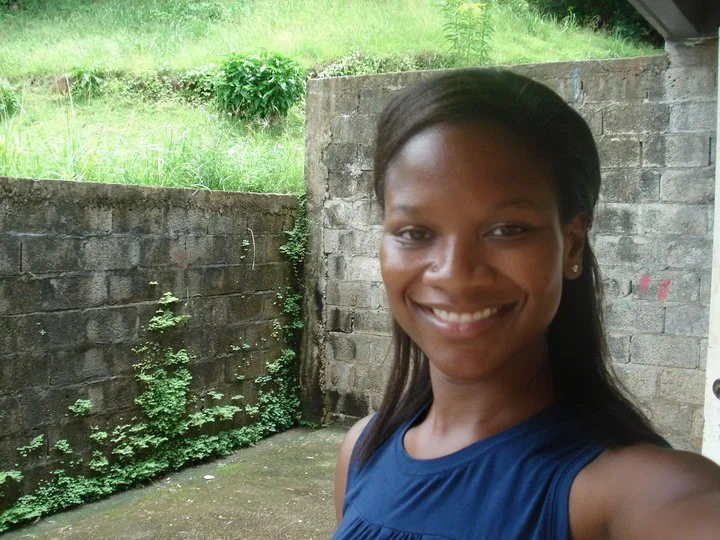
2010 in the Commonwealth of Dominica
The Big Chop Was Never Just About Hair
I began recognizing racism — and my own internalized racism — during nursing school. My Master’s program took me even deeper. A course called Race as a Structural Determinant of Health validated my experiences while also challenging my beliefs. I followed it with a seminar on social inequities in health, a course that has stayed with me ever since. Together, these experiences pushed me to confront how much of my identity had been tied to chemically straightened hair.
By graduation, I was ready for change. After years of damage from relaxers and hot curling irons, I began cutting my hair shorter and shorter until I finally did the “big chop” on December 30, 2011. When I first cut my hair, I loved running my fingers through my soft curls. I learned about my hair pattern and experimented with products that helped it stand out. I felt free, beautiful, and grounded. I loved the ease of wash-and-go styles and eventually embraced fades with my barber.
Cutting off my relaxed hair forced me to confront the ways I had internalized anti-Black beauty standards — and how those standards shaped not just how I looked, but how I related to myself.
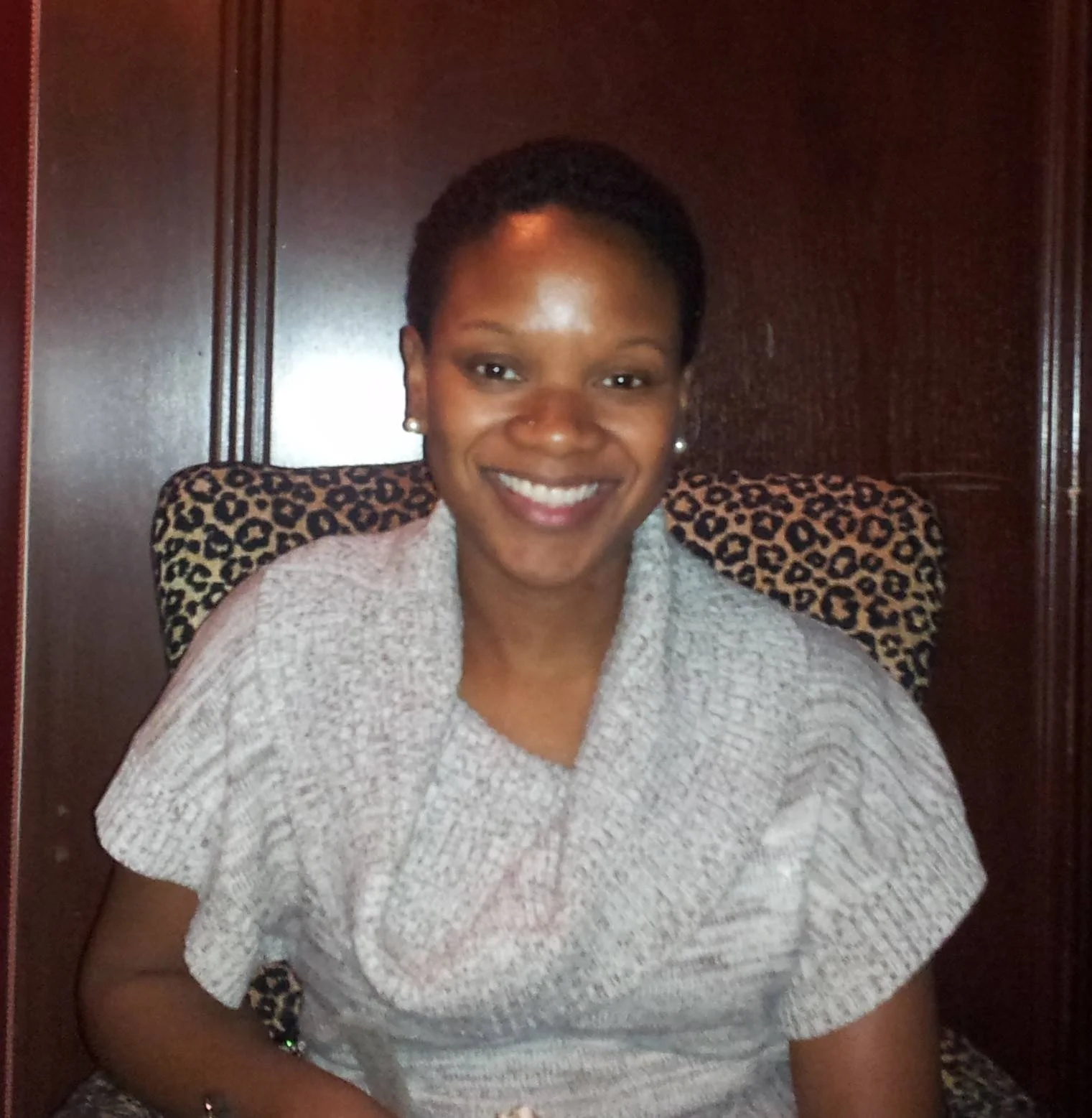
2012 - A year after my ‘Big Chop’
Living with my Natural Hair
My last relaxer was in 2011, and I’ve never looked back. For more than five years, I kept my hair short, loving the freedom it gave me. Then, inspired by my sister’s sisterlocks, I began a new journey in 2017.
I continue to disprove the lie I once believed—that Black hair doesn’t grow long—by surpassing every length goal I set for myself. Who knew my hair would grow thicker and longer than I ever imagined once I let go of the relaxer and embraced its natural state?
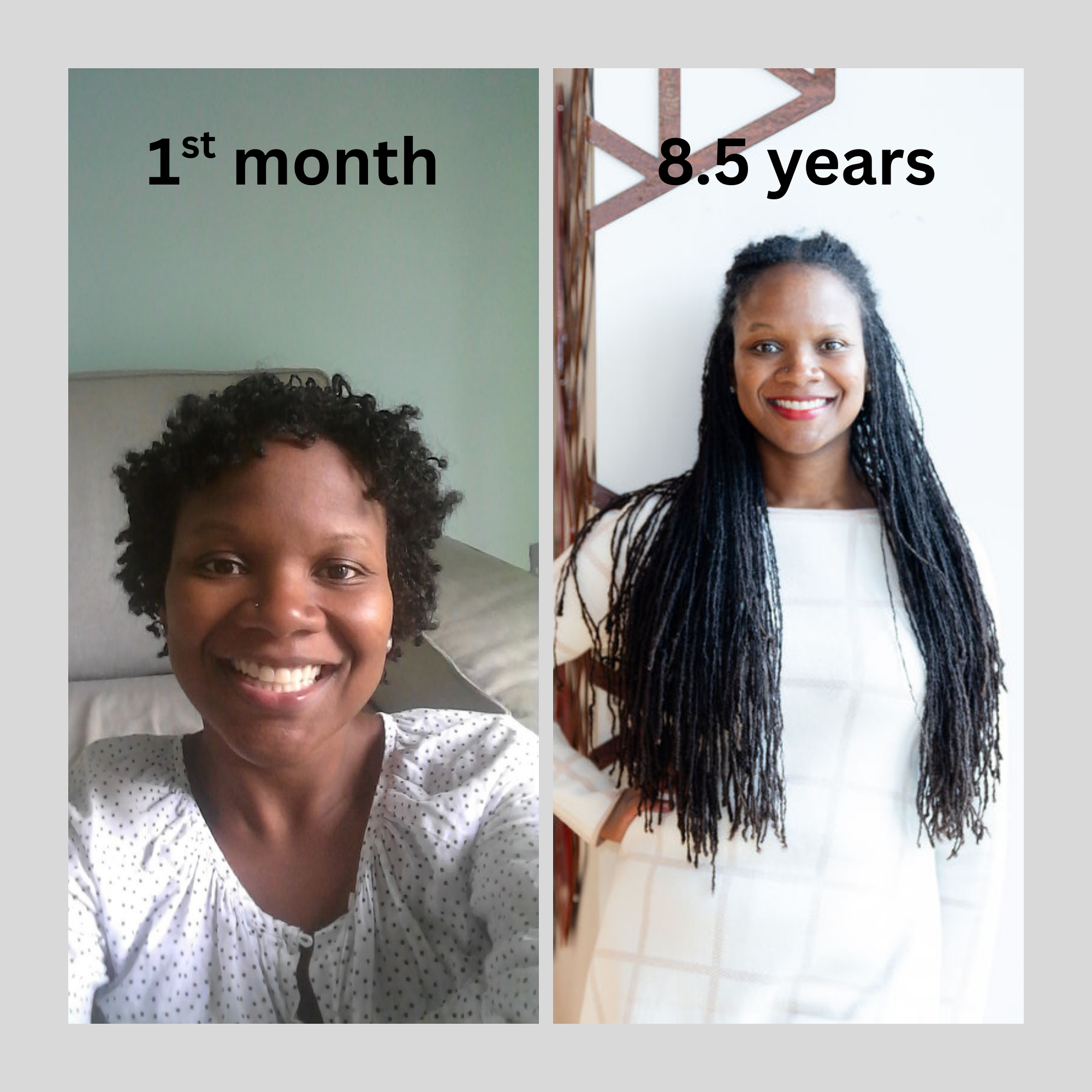
Sisterlocks Journey - From my first month to 8.5 years later.
From Fixing Myself to Learning Myself
For many years, the New Year represented a chance to fix something — my body, my habits, my productivity, my discipline. January became synonymous with self-correction.
At some point, I stepped out of that cycle. My big chop in 2011 wasn’t about starting over for the new year; it was about becoming a more authentic version of myself.
Instead of resolutions rooted in control or perfection, I began committing to learning and unlearning — to asking harder questions, and to accepting myself as I am while remaining open to growth.
Beginning the Year with Intention
This January, QueensConnected is opening the year with two intentional offerings:
Interview Best Practices for Black and Racialized Employees, for those navigating work, growth, or transition
Our annual Ladies Dance & Lounge, a once-a-year night created for joy, movement, and reconnection
The Ladies Dance & Lounge will take place at Hummingbird Hall, a beautiful private venue, with music by DJ Ric Manuel and food by Co-Heritage Cuisine. The gathering is intentionally capped at 50 to preserve intimacy and ease.
These gatherings are not about filling calendars. They are about creating moments of grounding — reminders that joy, rest, and community are necessities worth prioritizing.
Moving Forward
As this year begins, I’m inviting myself — and our community — to reflect less on how to fix ourselves, and more on how to show up for ourselves with care.
The big chop taught me that growth doesn’t always announce itself loudly. Sometimes, it begins quietly, with a decision to let go.
Let’s make this a year of celebration, growth, and expanding our legacies.