
Reflections from the UsNow 2026 Conference
It has been over a month since UsNow, and I continue to reflect on the conversations we had and the lessons I took away.
This year's theme, Beyond Resilience: Racialized Womanhood, Care, and the Right to Rest, gave us an opportunity to explore some of the expectations placed on us as Black and racialized women, how they have shaped us and what we want to hold on to or let go of.
Although I am the conference host, I am also very much a participant in these conversations. I left the space feeling full, encouraged and contemplating some things in my own life, particularly as a mother of two daughters.
Here are some of the lessons that have stayed with me.
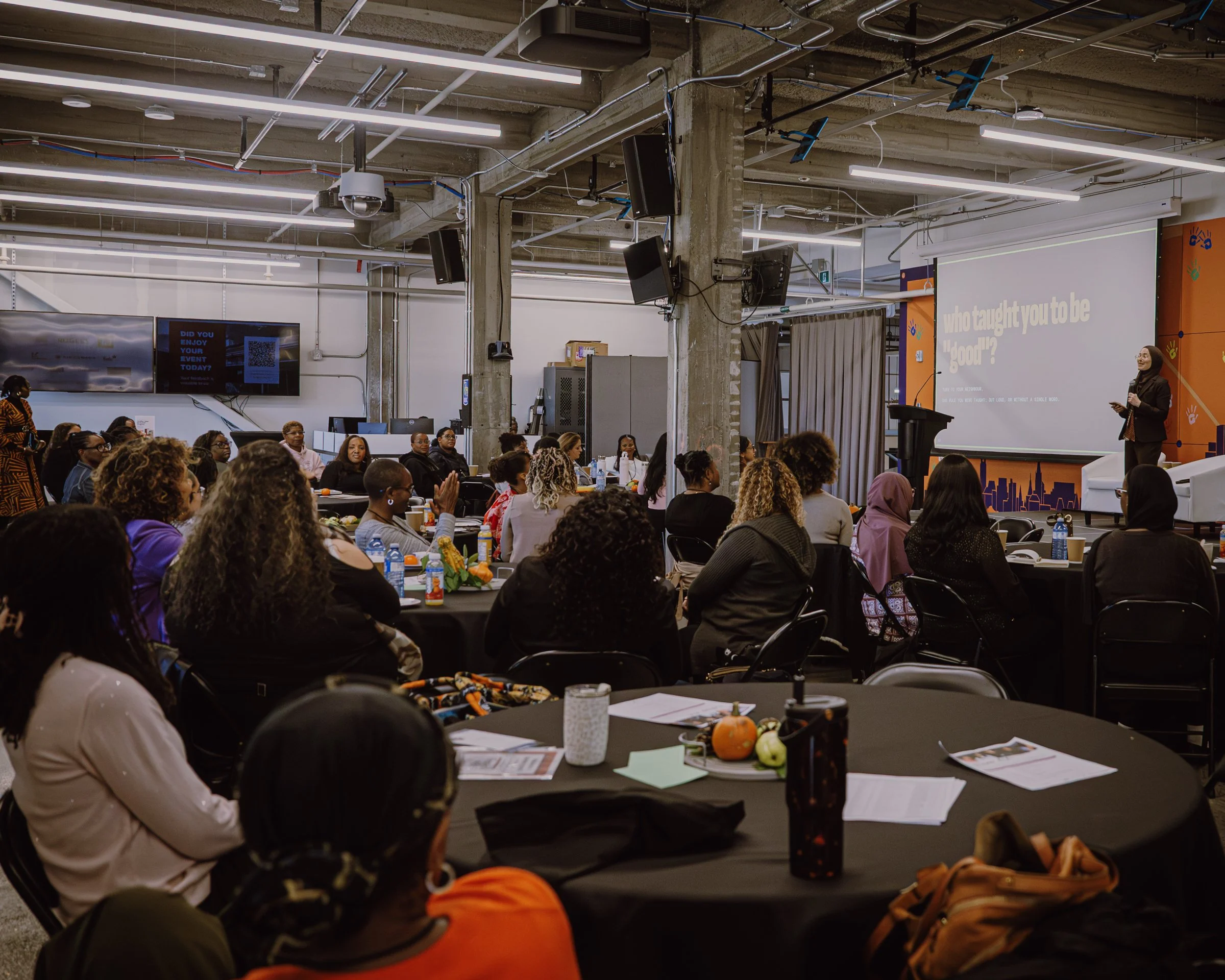
Keynote Address by Amira Elghawaby
What am I teaching my daughters?
Although we spent a lot of time talking about who taught us to be a “good woman” and what we wanted to keep or let go of, the discussion had me contemplating what I am teaching my own daughters.
I have previously written about the tensions the women in my family faced as they carved out their own paths and made their own choices, while encouraging me to play it safe in certain areas of my life. Not only do I understand why, but I can also see how I might be doing the same thing with my daughters.
I want them to be their full and authentic selves, yet I am reminded daily of the realities of the world we live in, one still rife with racism and misogyny. I know I cannot protect them from all harm, but my fear of these realities can lead me to reproduce some of the very patterns I saw in the women around me.
What was challenged during the panel discussion was my perception of that fear as something negative. Instead, how can I use that fear to galvanize me to better prepare my daughters for the realities of the world?
To remain in conversation with them, to develop safeguards together, and to be honest about our deepest aspirations and the realities that may limit our ability to fully express or live them today.
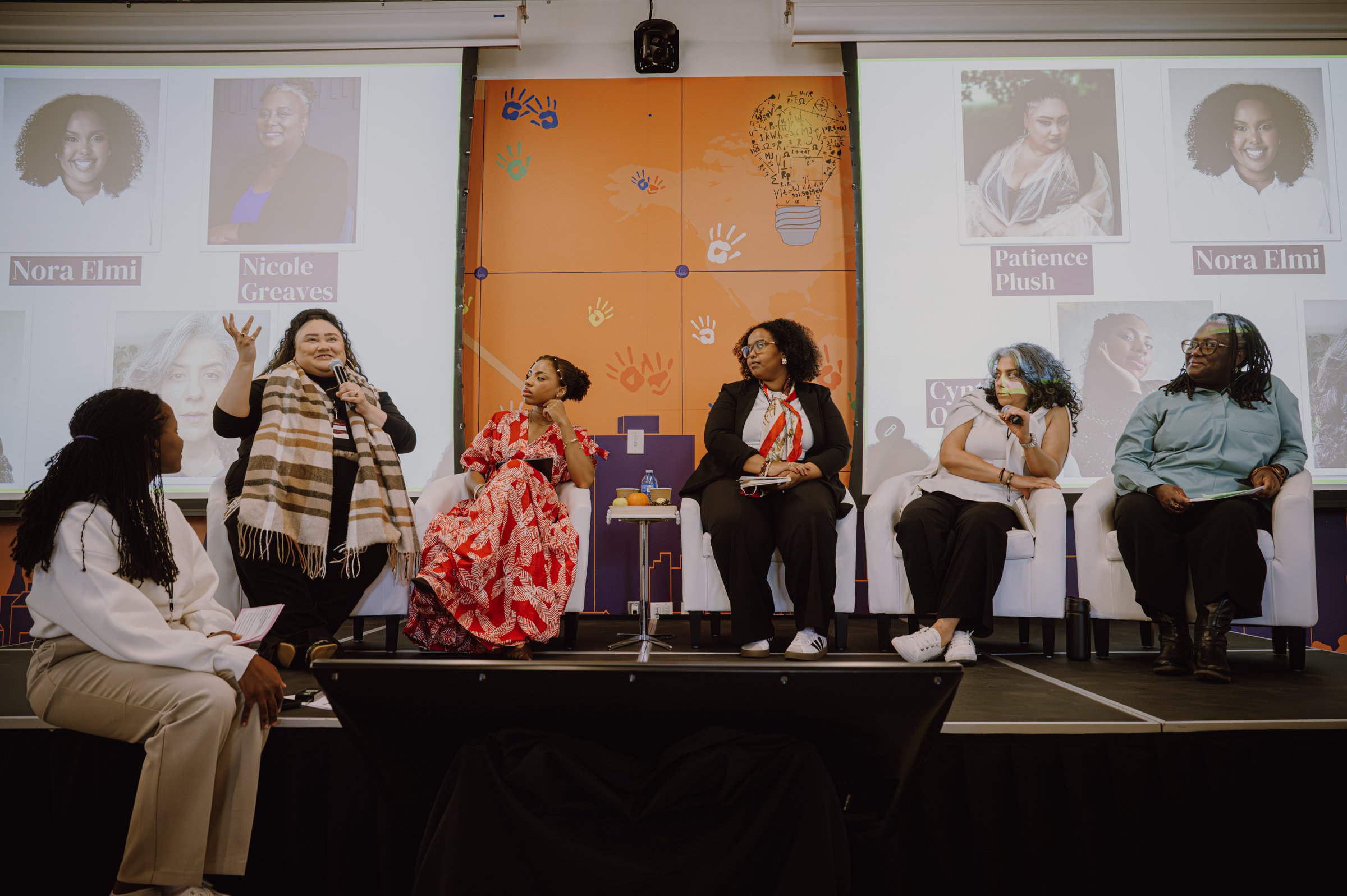
Panel Discussion
Patience Plush, Cynthia Onughaka, Nora Elmi, Ruby Dagher, and Nicole Greaves
Survival, choice and the permission to change
Another lesson that stayed with me was recognizing how limited the choices available to some of the women who came before us were. Many of their decisions were rooted in survival, given their financial and social realities, even if they did not recognize it as such at the time.
However, as we age, if we are afforded that privilege, our circumstances may change. Our children grow up, move out and begin lives of their own. We may find ourselves with choices that were not previously available to us.
For some, that might mean a career change, the end of a relationship that no longer serves us, or pursuing something we have always wanted but never had the opportunity to do.
It also had me reflecting on how much of what we continue to do out of habit was once necessary for our survival but may no longer be necessary today.
What would it look like to give ourselves permission to make different choices?
The possibility of intergenerational healing
One of the things that touched me most was hearing a panelist speak about the possibilities for intergenerational healing.
Hearing about the evolution and growth of our mothers and aunties, their willingness to acknowledge what they got wrong, their recognition that they could benefit from additional support, such as therapy, and their understanding that so much of what they did was rooted in survival gave me hope.
It reminded me that we are all still growing, regardless of our age.
I recognize that there will likely come a time when my own daughters approach me and share how some of my actions, even those rooted in survival or a desire to protect them, may have caused them harm.
I hope that when that time comes, I will be able to listen without immediately feeling the need to defend or explain my choices.
I want to remain a vessel open to growth, change, asking for forgiveness and healing.
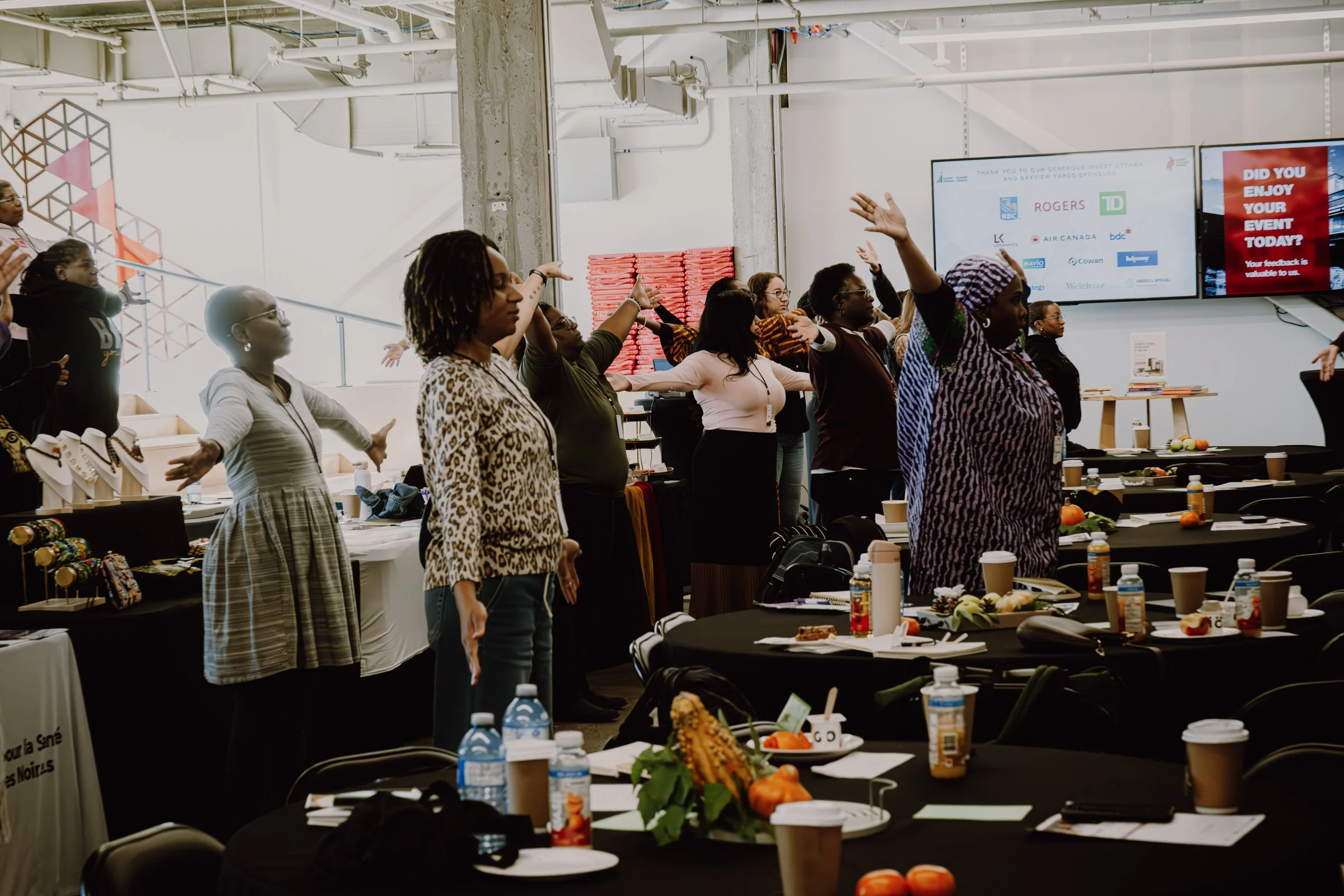
Movement segment with Suzan Richards
Bringing the next generation along
One thing that came up time and again throughout the conference was the need to have more of these conversations with the younger generation. To bring them along next year.
Not simply to share what we have learned, but to hear from them, understand the realities they are navigating and learn from them as well.
I left UsNow encouraged, wanting more of these conversations and knowing that these spaces are not only needed but will continue.
Based on the feedback we received, planning for next year's UsNow conference is already well underway, and it will be even more multigenerational than this year's.
I am looking forward to the conversations we will have, what we will learn from one another and what we will continue to unlearn together.