
Who Gets to Rest?
Beyond Resilience and the Expectations we Place on Women
My birthday was over the weekend. I spent part of it enjoying afternoon tea with my sister and a friend, followed by a one-night staycation at one of my favourite hotels.
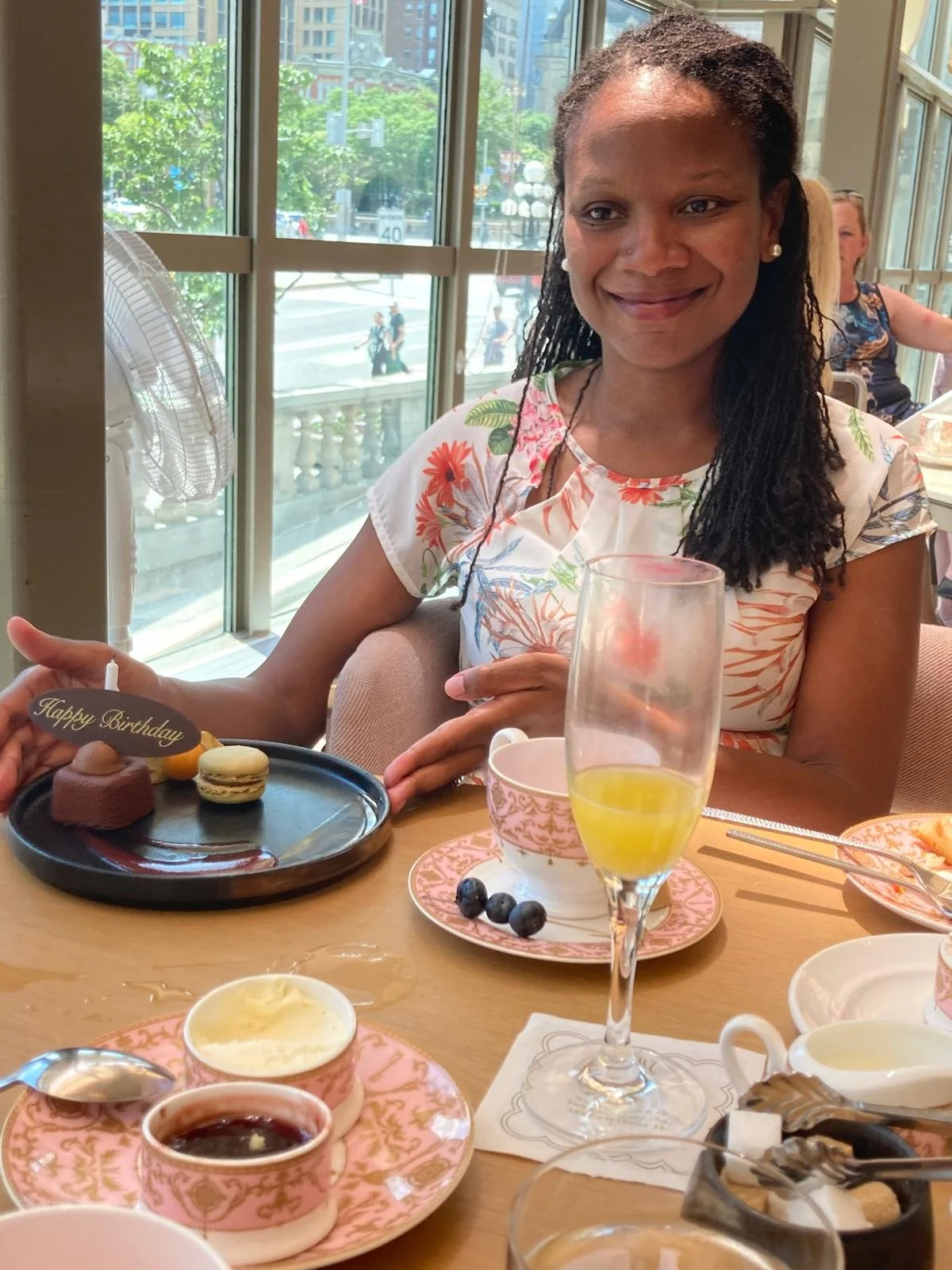
Afternoon tea to celebrate my birthday
For 24 hours, I got to be the simplest version of myself. I sat in bed and binge-watched a Netflix series, ordered takeout, slept late, slept in, and moved slowly through the day. By the next morning, I felt noticeably more relaxed and rejuvenated.
The fact that I felt this way after only 24 hours is telling.
Taking time away to refill my cup is something I have intentionally incorporated into my life over the last few years. My children now expect that their mother occasionally takes time for herself. Yet despite this becoming part of my routine, I still wrestle with guilt.
This time, I felt guilty because I hadn't managed to grocery shop or clean the house the way I had planned before leaving. I felt guilty because my partner wasn't feeling well. The timing didn't feel perfect.
In my mind, had I completed all my chores and left everything perfectly organized, I would have somehow earned the right to be away.
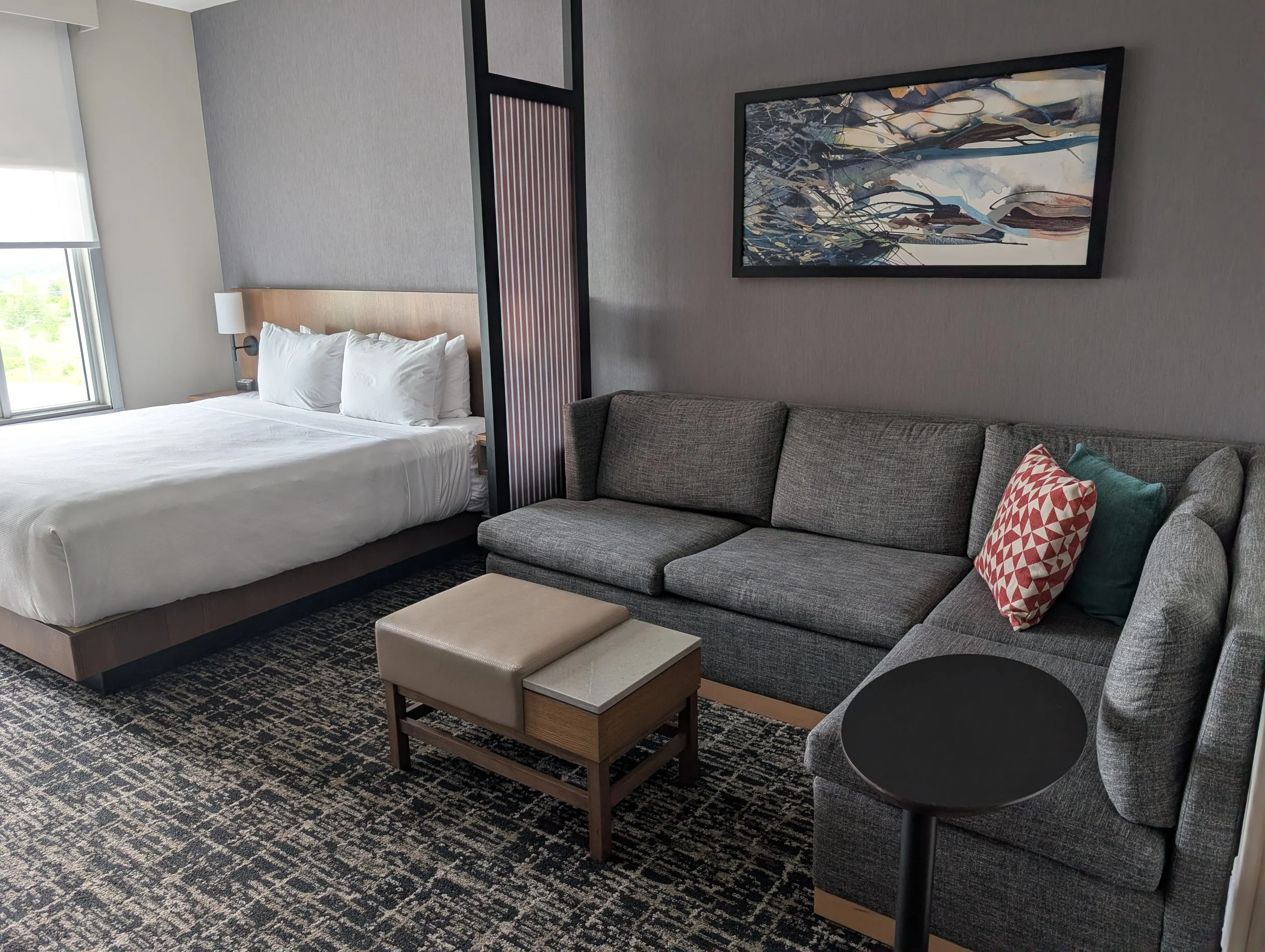
My favorite staycation location
But where does this idea come from? Why do so many of us feel that rest must be earned? Who decides when we have worked hard enough to deserve it?
As I reflect on my wife guilt, mom guilt, daughter guilt, employee guilt, and all the other forms guilt seems to take, I realize they are rooted in the expectations I carry about what it means to be a good woman.
A good mother spends enough time reading with her children. A good daughter regularly checks on her aging relatives. A good wife anticipates everyone's needs. A good employee stays on top of every detail. A good friend always makes time. A good woman somehow manages all of this while remaining calm, healthy, organized, and emotionally regulated.
The truth is that I fall short of these expectations daily.
When my daughter's reading scores were flagged as below provincial standards, I blamed myself. When her health card expired and I hadn't noticed, I blamed myself. When challenges arose on a project at work, I believed I should have anticipated them.
For a long time, I operated as though I could not afford to drop a single ball, despite carrying far more than any one person realistically could.
Writing this, I realize how impossible these expectations are. Yet I also know I am not unique.
The women around me are carrying similar loads. Many are juggling even more.
What is less common in my circles is women taking time away for themselves.
Whenever I mention my staycations, some women are intrigued. Some tell me they could never do that. Others ask what my partner or children think about it. Sometimes those conversations feel empowering, as though a new possibility has been opened. Other times, they reinforce the idea that prioritizing ourselves is somehow selfish.
The only reason I was able to imagine this kind of care for myself is because I saw other women doing it first, beginning with my mother and my sister.
That brings me to another expectation I have spent years unpacking: resilience.
There was a time when I viewed resilience as an entirely positive trait. The ability to overcome adversity and emerge stronger seemed admirable.
But my thinking has changed.
Why do we celebrate Black and Racialized women for enduring systems that were never designed for our wellbeing? Why is the expectation that we continue carrying disproportionate burdens and somehow thrive despite them?
What is the cost of that resilience on our health, our relationships, and our sense of self?
Perhaps the problem is not that women need to become more resilient.
Perhaps the problem is that we have normalized expectations that require extraordinary resilience in the first place.
These questions have been sitting with me for some time.
They also sit at the heart of this year's UsNow 2026 Conference theme: Beyond Resilience: Racialized Women, Care, and the Right to Rest.
Together, we will explore what it means to move beyond survival and make space for care, rest, and self-definition. Through keynote and panel presentations, conversation, storytelling, movement, and collective reflection, we will examine the expectations placed upon us by society, culture, family, workplaces, and even ourselves.
I have come to believe that rest is not simply about taking time off. It requires us to challenge the stories we have inherited about what makes us good women, good mothers, good daughters, good partners, and good workers.
If we never question those stories, we will continue carrying expectations that were never designed with our wellbeing in mind.
That is why gathering in community matters.
Together, we can begin redefining care, success, and rest for ourselves. We can create permission for something different. We can model healthier possibilities for the next generation.
To learn more the UsNow 2026 Confernce or to join the waitlist, click here.